Case Overview
📖 Scenario
You are a marketing analyst at MAC Cosmetics, a globally recognized brand known for its professional-grade makeup and strong presence in both retail and online channels.

While MAC has long been a leader in artistry and brand prestige, the company is facing increasing pressure specifically in the foundation category—especially among younger consumers (Gen Z and Millennials). Emerging brands and digitally native competitors are rapidly gaining traction through:
Strong Amazon visibility
Influencer-driven marketing
Competitive pricing
High review volumes and social proof
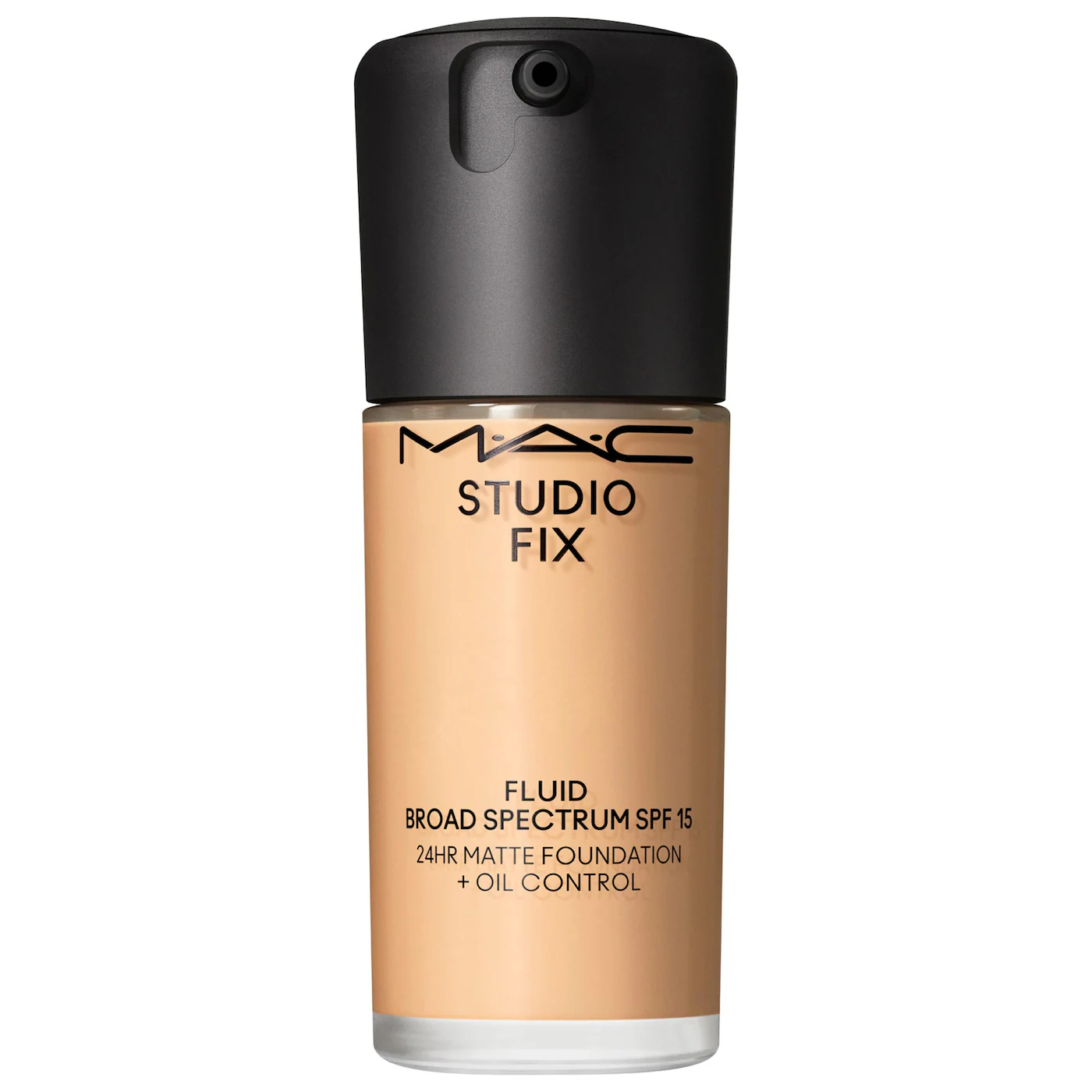
MAC Cosmetics Studio Fix Fluid Foundation
⚠️ Marketing Challenges
Your team has identified several key challenges:
Declining visibility on Amazon: MAC foundation products are not consistently appearing in top “Best Selling” positions
Price competition: Lower-priced foundation brands with strong reviews are outperforming premium offerings
Shifting preferences: Younger consumers favor attributes like “lightweight”, “natural finish”, “hydrating”, and “skin-first” formulations
Review-driven purchasing: Foundation products with high ratings and thousands of reviews dominate conversion
Brand perception gap: MAC is seen as professional and high-quality, but not always as trendy or accessible in everyday foundation use
To better understand the competitive landscape, your team has collected data from Amazon’s search results for “foundation”, sorted by Best Selling, across the first five pages.
This dataset represents a snapshot of the top-performing foundation products currently capturing consumer demand.
🎯 Objective
The goal of this analysis is twofold:
1. Technical Skills
Understand the structure of JSON data
Learn how to parse and navigate nested JSON objects
Extract and transform data into usable formats (e.g., CSV, tables)
2. Business Insights
Analyze competing foundation products in the marketplace
Identify patterns in:
Pricing
Ratings and reviews
Product positioning (e.g., “full coverage”, “natural finish”, “hydrating”)
Evaluate how competitors are appealing to younger audiences
Generate insights to inform foundation-specific marketing and product strategy
📊 Dataset Overview
The dataset (available on GitHub) consists of two main components focused on foundation products:
1. Search Results (search-results/)
Contains JSON files representing Amazon search result pages for “foundation”
Results are sorted by Best Selling
Covers the first five pages of results
File naming pattern:
foundation-page-01.jsonfoundation-page-02.jsonetc.
Each file includes:
requestMetadata: Information about the search requestproductResults: A list of foundation products returned on that page
Each product entry may contain:
asin: Unique product identifiertitle: Product name and descriptionprice: Current and previous pricereviews: Rating and number of reviewsbadges: Indicators such as “Best Seller” or “Amazon’s Choice”deliveryInfo: Shipping details
2. Product Details (product-results/)
Contains one JSON file per foundation product (
{asin}.json)Provides more detailed product-level information
Can be used to enrich and validate insights from search results
3. Flattened Dataset (products.csv)
A simplified dataset containing:
asintitle
This file can be used as a starting point for:
Joining datasets
Indexing foundation products
Building structured analyses
🧠 Key Questions to Explore
As a marketing analyst at MAC Cosmetics, consider:
What price range dominates top-selling foundation products?
How do MAC foundation products compare to competitors in price and ratings?
Do higher-rated foundations also have significantly more reviews?
What keywords appear frequently in top-performing foundation titles?
Are certain brands consistently dominating the foundation category?
How are foundations positioned (e.g., “matte”, “dewy”, “long-wear”, “hydrating”)?
What signals might appeal specifically to younger consumers shopping for foundation?
🔍 Working with JSON
The dataset is stored in JSON format, which means:
Data is structured as nested key-value pairs
Some fields are optional or missing
Many values are embedded within nested objects
Example Access Pattern
product["price"]["currentPrice"]
product["reviews"]["rating"]
To safely handle missing data:
product.get("price", {}).get("currentPrice")📐 Why JSON Matters
JSON is widely used in:
APIs
Web applications
Data pipelines
Understanding how to work with JSON enables you to:
Extract structured insights from raw data
Build scalable data workflows
Integrate multiple data sources
🚀 Outcome
By the end of this case study, you should be able to:
Navigate and parse complex JSON datasets
Transform raw data into structured formats
Perform exploratory analysis on foundation product data
Generate insights relevant to marketing and competitive strategy